PRO QUALITY CAR CARE MADE EASY
Join millions of car enthusiasts and professionals globally who trust our cutting-edge.
easy-to-use car care products to protect,restore,and enhance their vehicles.
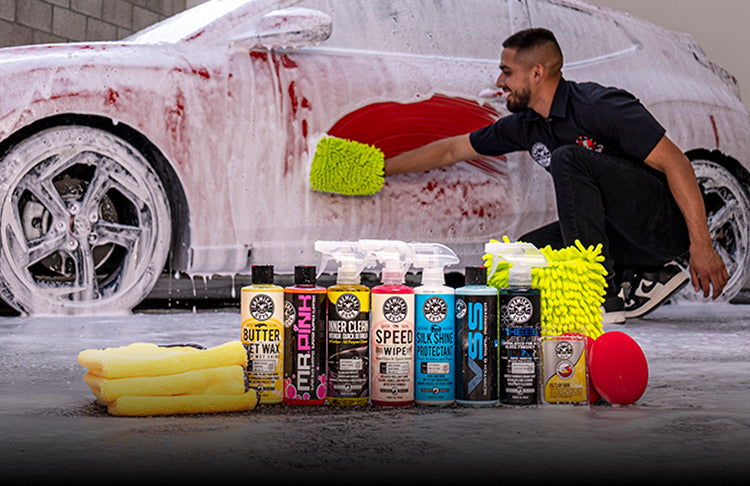
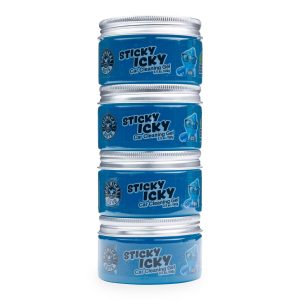
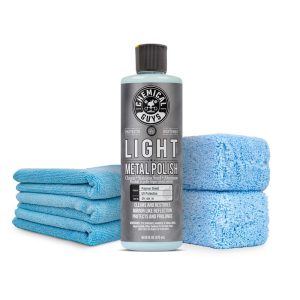
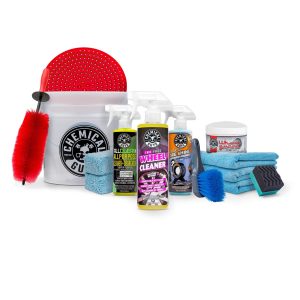
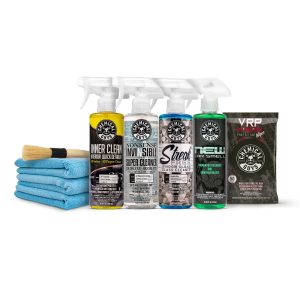
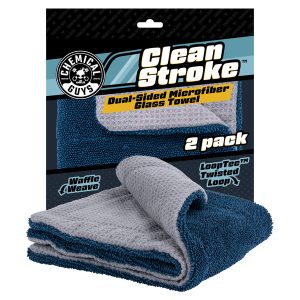
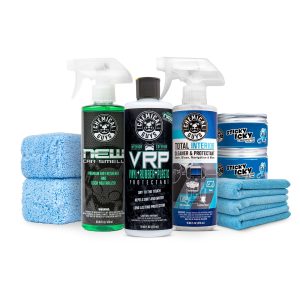
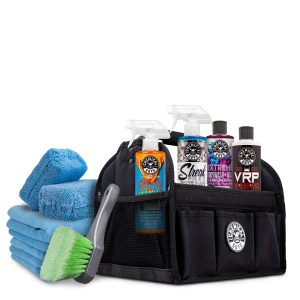
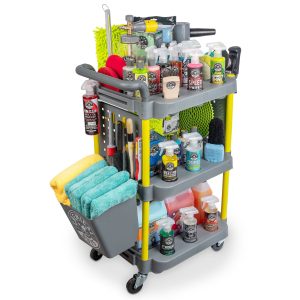
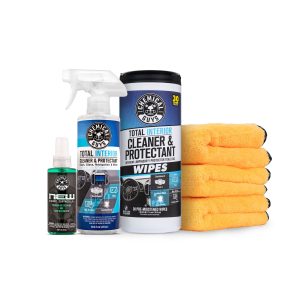
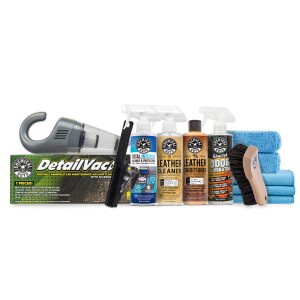
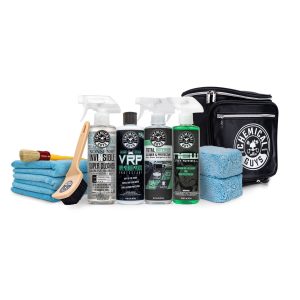
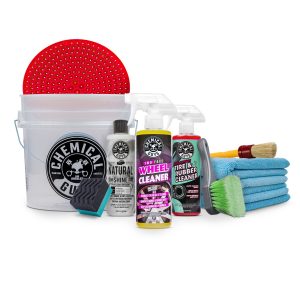
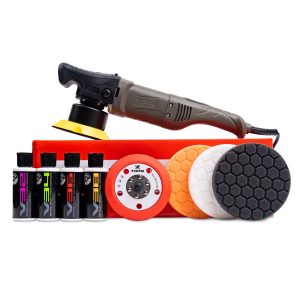
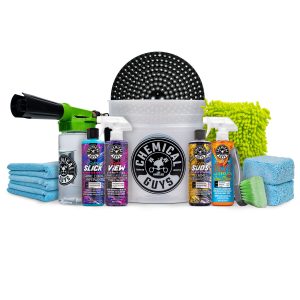
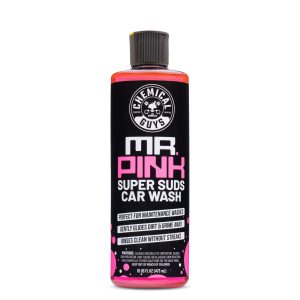
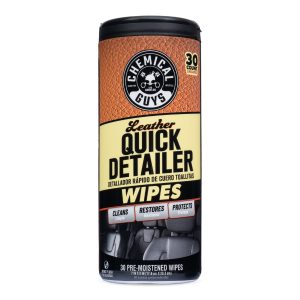
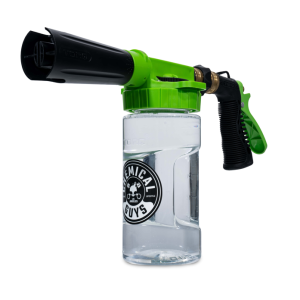
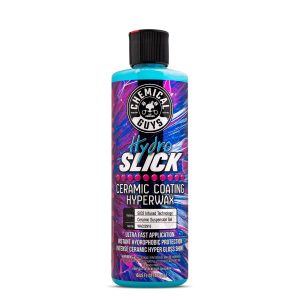
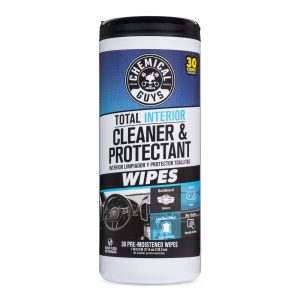
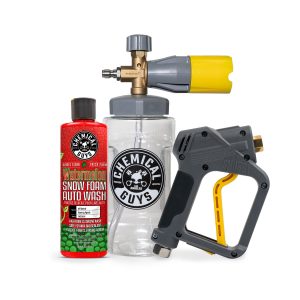
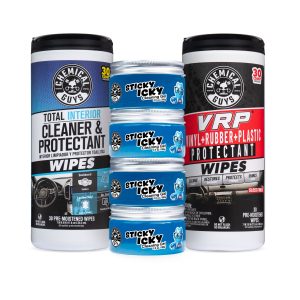
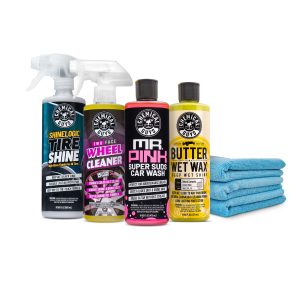
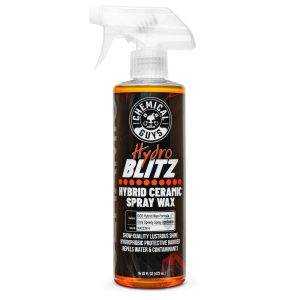
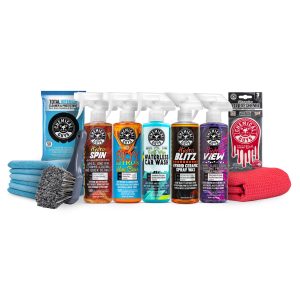
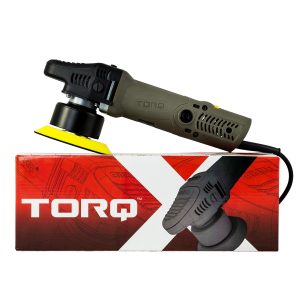
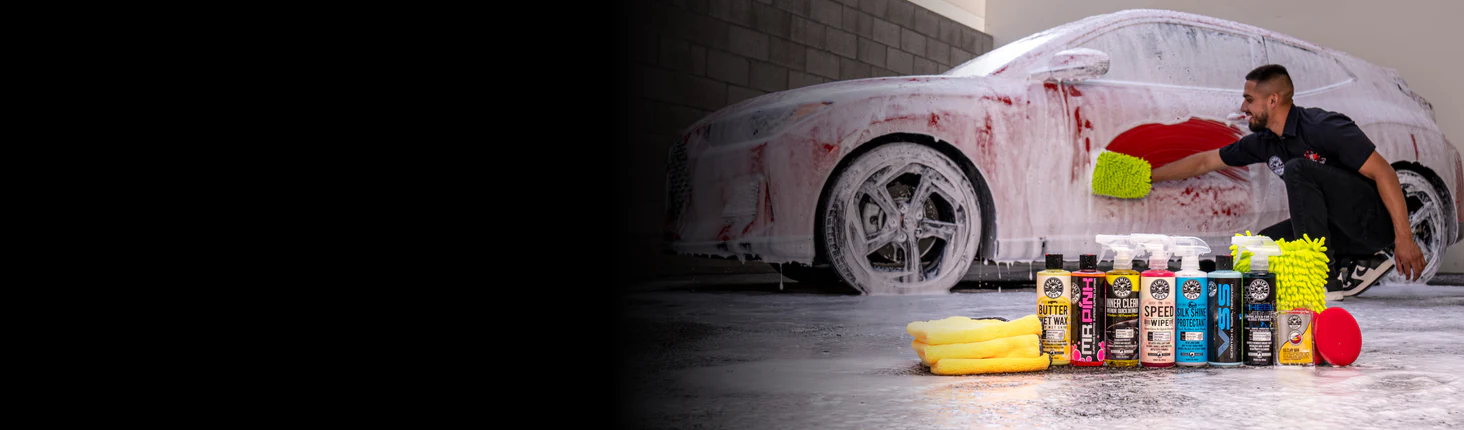
Taking the time to properly clean your vehicle at home is not just a chore; it’s an investment in your automobile’s appearance and longevity. A well-maintained exterior doesn’t just look good—it protects the finish from environmental contaminants and preserves its resale value. To achieve that professional, showroom shine, you need more than just a hose and a bucket. The right collection of tools and specialized formulations makes all the difference, turning a frustrating task into a satisfying ritual.
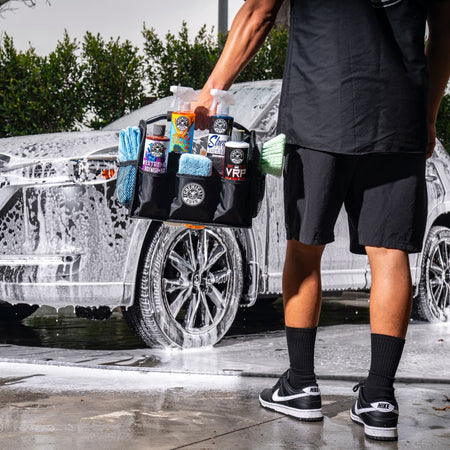
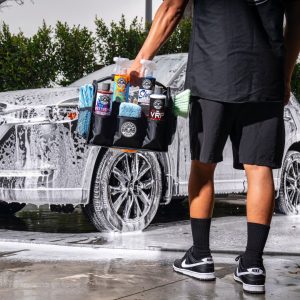
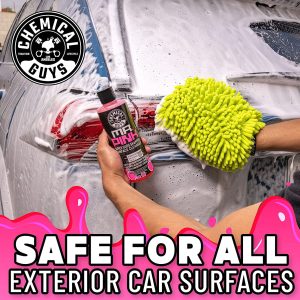
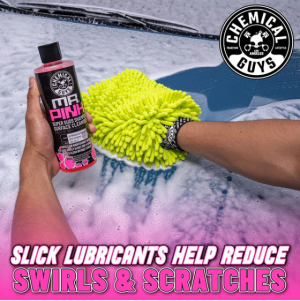
The first step in any quality washing process is selecting the appropriate cleansing agent. Forget about dish soap; while it produces suds, its formulation can strip away the protective wax layer that is vital for your paint’s health. You need a dedicated car wash fluid. These products are pH-neutral, ensuring they are tough on grime but gentle on the finish. They are designed to encapsulate dirt particles, allowing them to be safely rinsed away without scratching the delicate clear coat. Look for high-foaming varieties, as the foam helps lift and suspend dirt for safer removal.
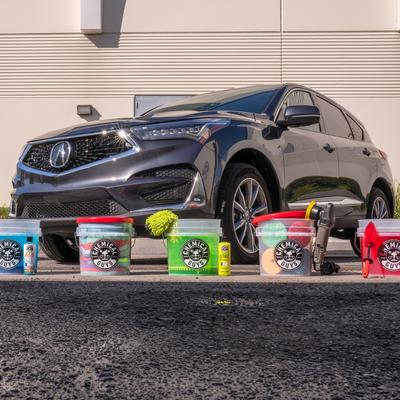
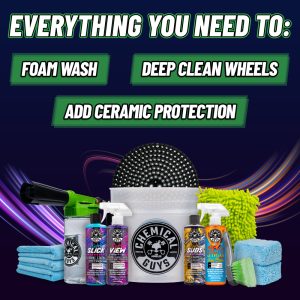
The method of application is equally important. The “two-bucket method” is universally recommended by detailing enthusiasts. This involves using one bucket for your wash solution and a second, plain-water rinse bucket. Always equip both buckets with grit guards at the bottom. A grit guard prevents you from transferring abrasive dirt particles, which settle at the bottom of the rinse bucket, back onto your vehicle’s surface with your wash mitt. This simple technique drastically reduces the risk of creating swirl marks, the fine scratches that dull the paint’s gloss.
For the actual scrubbing, ditch the old sponges. Sponges tend to trap dirt against the surface. Instead, invest in high-quality wash mitts. These are typically made from microfibre or natural lambswool. Their soft, deep fibres pull the dirt away from the paint and into the mitt, releasing it when rinsed in the clean water bucket. Using multiple mitts—one for the upper, cleaner sections of the vehicle and a separate, darker-colored one for the lower, dirtier sections like rocker panels and wheels—is a practice that further minimizes cross-contamination and surface damage.
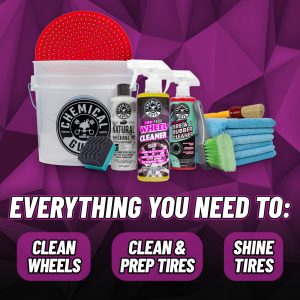
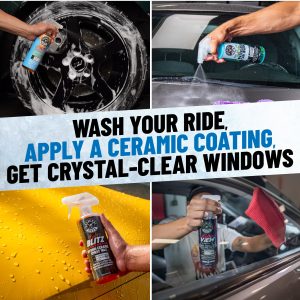
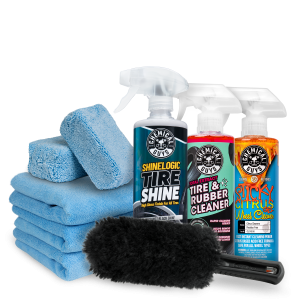
Wheels are arguably the dirtiest part of any vehicle, constantly bombarded by brake dust, road tar, and accumulated grime. They require a specific cleaning approach. Never use your paint wash solution or mitts on your wheels. Dedicated wheel cleaners are formulated to tackle the heavy, often metallic, dust generated by the braking mechanism. Many feature a color-changing indicator, visually confirming when they are reacting with and dissolving the ferrous brake dust particles.
Couple this powerful liquid with various wheel and tire brushes. You’ll need a soft-bristled brush for the faces of the wheels, a longer, thinner brush to reach deep into the barrel behind the spokes, and a stiff-bristled brush for scrubbing the rubber tires. Cleaning the tires is crucial for a complete look, as removing the brown oxidized layer prepares the surface for a protective dressing.
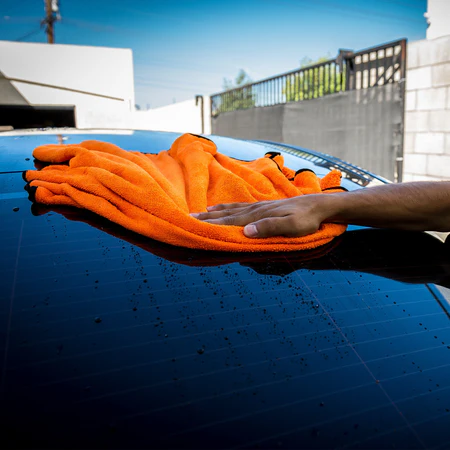
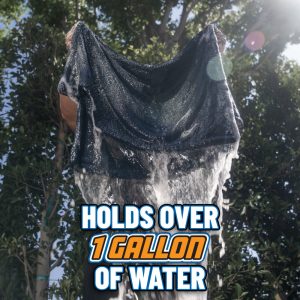
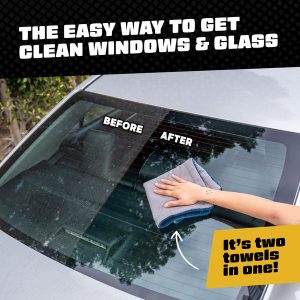
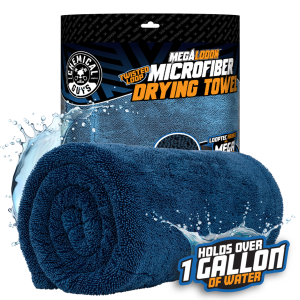
The biggest mistake amateur cleaners make is letting the vehicle air dry. This inevitably leads to water spots, which are mineral deposits left behind when the water evaporates. A meticulous drying process is essential for that flawless, streak-free result. The best tool for this is a large, absorbent microfibre drying towel. These towels can absorb several times their weight in moisture and are extremely soft, minimizing the friction against the finish.
Before using the towel, you can use a forced-air blower or a specialized drying aid to expedite the process. A drying aid, often a type of quick-detail spray, is misted onto the wet surface. It provides lubrication, ensuring the towel glides effortlessly, and often contains polymers that add a layer of shine and protection as you dry. Working from the top down and folding the towel frequently to present a dry surface will prevent water streaks and leave a pristine shine.
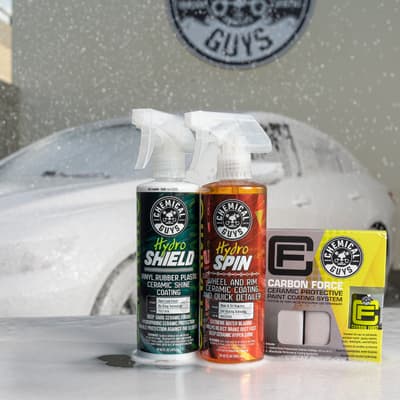
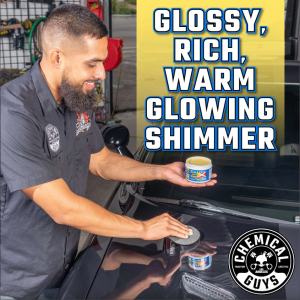
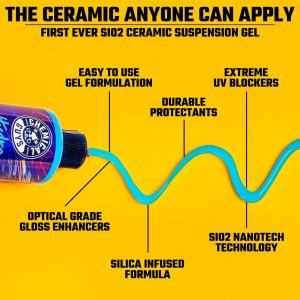
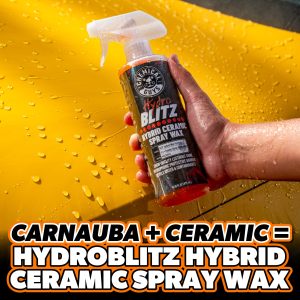
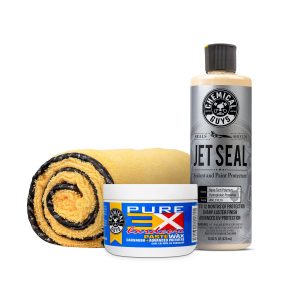
Once the vehicle is clean and dry, the final, most rewarding step is applying a layer of protection. This step seals the finish, enhances the gloss, and makes future cleanings much easier. The traditional product for this is wax, typically a blend of natural compounds or synthetic polymers. A good application of protection will shield the clear coat from damaging ultraviolet light, industrial fallout, and road spray. Modern alternatives include sealants, which are entirely synthetic and offer longer-lasting defense, and ceramic-infused sprays, which provide several months of hydrophobic (water-repelling) properties with minimal effort.
Applying these materials is often best accomplished with foam applicators for even coverage and then gently buffing the residue away with clean, high-pile microfibre towels. Having separate towels for the initial application and the final buff is another detail that separates a good clean from a truly exceptional one. By committing to these specialized materials and techniques, you elevate the quality of your home vehicle care, resulting in a deep, lasting gleam that truly stands out.